You see the word “sustainability” everywhere now. But when you look deeper, most manufacturers still run on old systems that burn energy, create waste, and lock teams into slow processes. If you’ve worked in product development or supply chain, you know how quickly waste adds up. You produce extra stock “just in case.” You store parts you never use. You ship items across the world only to rework them again.
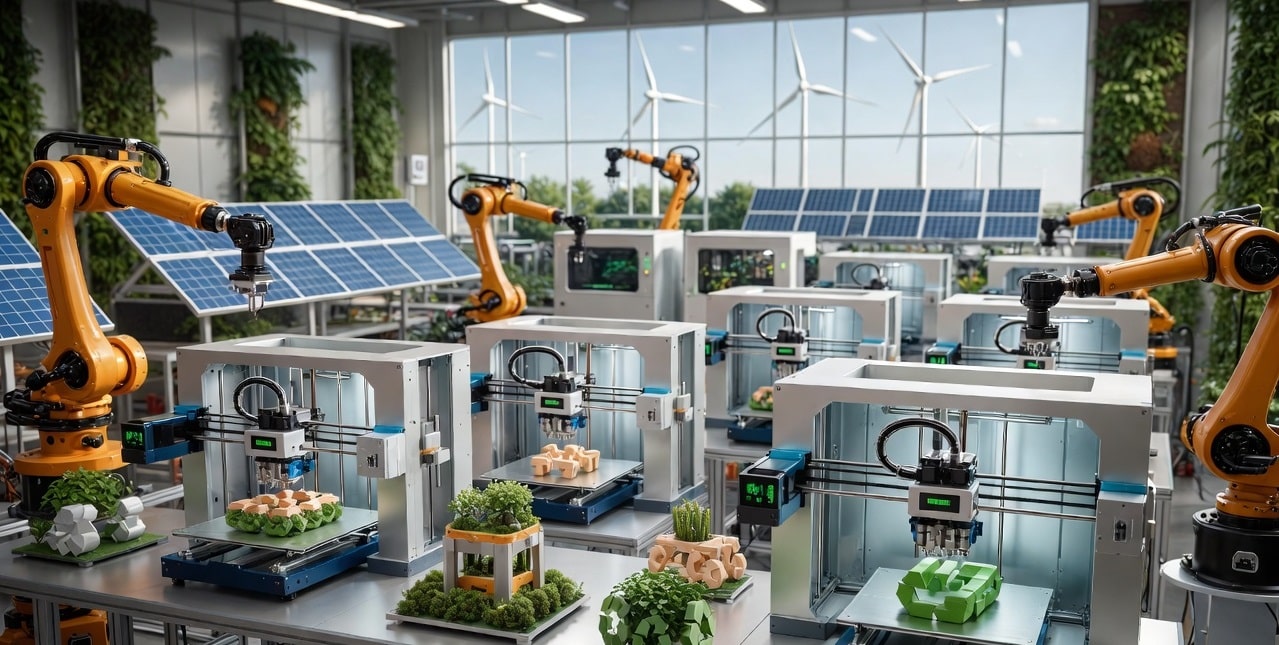
3D printing changes that. It gives you control over how you design, test, and manufacture without the usual waste. It’s not a magic fix, but it solves real problems that slow companies down. And that’s why many people ask the same question: Is 3D printing the future of sustainable manufacturing? Here’s what we know.
Why Sustainability Matters in Today’s Manufacturing
By 2024, manufacturing accounted for around 20% of global CO₂ emissions (Source: IEA). Governments in the US, Europe, and India pressured industries to reduce carbon waste and use cleaner methods. If you work in or around operations, you already feel this pressure. Regulations tighten. Customers expect cleaner products. Teams need faster ways to design and produce parts with less waste.
Sustainable manufacturing isn’t an option anymore. It’s a requirement.
Where 3D Printing Fits into Sustainability
3D printing is simple at its core. You print only what you need, when you need it. No extra inventory. No cutting raw materials into shapes and throwing the rest away. No giant molds that take weeks to build.
Here’s what this procedure means for real teams:
- You reduce material waste by up to 70% compared to machining.
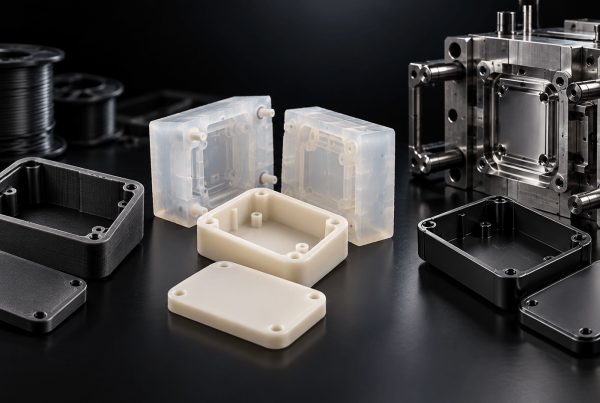
- You run production without molds, which cuts tool waste almost entirely.
- You build parts near the end user, lowering shipping emissions.
- You test ideas in hours instead of weeks.
The biggest gain is flexibility. You don’t lock yourself into large production runs. You print only what you need.
Quick Comparison: Traditional vs 3D Printing
| Factor | Traditional Manufacturing | 3D Printing |
| Material Waste | High | Low |
| Energy Use | High for machining and molding | Lower for small and medium runs |
| Speed | Slow for prototypes | Fast |
| Inventory | Needs storage | Print on demand |
| Tooling | Molds and dies required | No tooling |
If you want to compare production costs, check our 3D printing pricing guide.
What Experts Say
“Companies that cut waste at the design stage see the biggest sustainability gains. 3D printing puts design and manufacturing closer together.” — Dr. Elena Brooks, Materials Researcher (2025)
“Localized micro-manufacturing reduces emissions faster than any other shift we’ve tracked.” — Global Supply Chain Index, 2024 Report
How 3D Printing Supports Sustainable Workflows
You lower waste not only by printing less material but also by improving how you design products. When engineers have freedom to test ideas quickly, they avoid late-stage fixes that cost energy, materials, and time. You stop building parts that fail later. You stop shipping prototypes back and forth. You move fast and clean.
Where Companies Already Use It
- Consumer electronics
- Healthcare devices
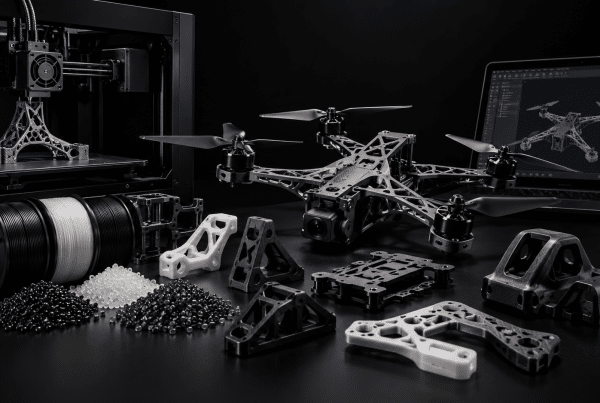
- Automotive lightweight parts
- Aerospace brackets and ducting
- Architecture and industrial tooling
If you want real-world examples you can study, check these:
Does This Make 3D Printing the Future?
For many applications, yes. You gain speed, control, and cleaner workflows. You design smarter from day one. You print only what you need. You avoid the waste you see in traditional plants. Large-scale mass production will still use molding and machining, but the most flexible and sustainable workflows now lean heavily on 3D printing.
If you want sustainable manufacturing that actually works in real teams, 3D printing is already part of the future. It’s not coming later. It’s here now.
FAQs
1. Is 3D printing actually eco-friendly?
Yes. You reduce waste and avoid tooling. That makes the process cleaner.
2. Can 3D printing replace traditional manufacturing?
Not fully. But it takes over prototyping and low-volume production.
3. Which materials are the most sustainable?
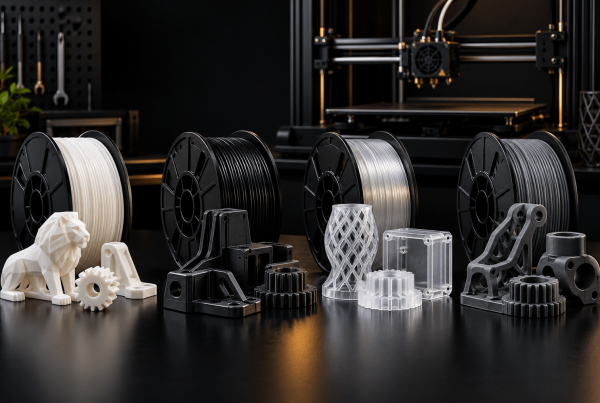
PLA, recycled PETG, and some bio-based polymers perform well.
4. Does 3D printing use a lot of electricity?
Not compared to CNC or injection molding setup processes.
5. Are 3D printed parts safe for long-term use?
Yes, if you pick the right material and design the part for its load.
6. Can companies scale with 3D printing?
Yes. Many run hybrid setups: 3D printing services for prototypes and molds for mass runs.